
How Biophilic Design Improves Well-Being in Modern Homes
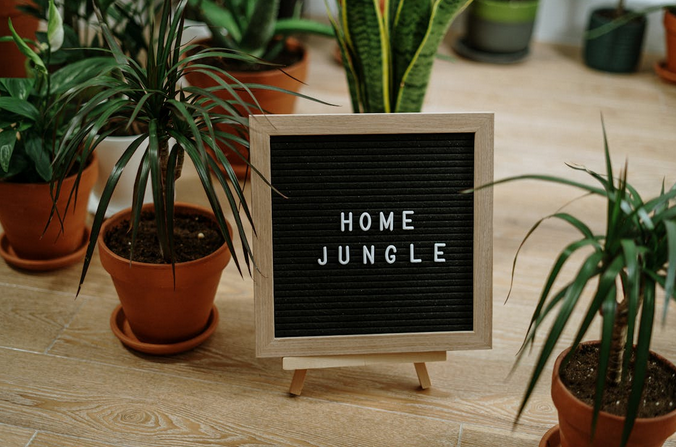
Modern homes are no longer just about aesthetics; they are spaces that can actively influence our health and happiness. Integrating biophilic design into living spaces brings nature indoors by using elements such as natural light, plants, and organic materials to create a calming environment. Research shows that such design strategies reduce stress, improve mood, and even boost productivity, making homes more than just shelters—they become sanctuaries for mental and physical well-being. By connecting residents with natural elements, biophilic design transforms everyday living into a more restorative experience. This article explores how incorporating these nature-inspired principles can enhance comfort, promote relaxation, and elevate the overall quality of life in modern homes.
Psychological Benefits of Natural Elements

Exposure to natural elements within the home can have measurable psychological effects. Natural light helps regulate circadian rhythms, improving sleep quality and energy levels throughout the day. Indoor plants and greenery contribute to a sense of calm and increase mental clarity by reducing anxiety and promoting focus. Visual access to nature, even through windows or artwork depicting natural landscapes, can provide restorative effects, lowering stress hormone levels and improving emotional stability. These benefits demonstrate that integrating natural elements into home design is not merely aesthetic but also supports cognitive and emotional well-being, making everyday life more balanced and harmonious.
Physical Health Advantages
 Biophilic design also contributes to physical health in several ways. Natural ventilation and light improve indoor air quality, reducing the risk of respiratory issues and enhancing immune function. The presence of plants can regulate humidity levels and absorb airborne toxins, creating a healthier living environment. Incorporating water features or natural materials such as wood and stone can further reduce environmental stressors and create a soothing atmosphere. By promoting cleaner air, balanced humidity, and connection to the natural world, biophilic design supports physical health while encouraging occupants to adopt more mindful, active lifestyles in their homes.
Enhancing Productivity and Cognitive Function
Modern homes increasingly serve as multifunctional spaces, including work and study areas. Biophilic design has been shown to enhance productivity and cognitive function in such settings. Access to natural light and greenery can improve concentration, reduce mental fatigue, and increase problem-solving abilities. Open layouts that incorporate natural elements can stimulate creativity and provide a sense of spaciousness, reducing feelings of confinement common in urban homes. These effects illustrate that the presence of nature within a living space not only supports mental health but also creates environments conducive to effective work, learning, and personal development.
Sustainability and Connection to the Environment

Biophilic design often aligns with sustainable building practices by emphasizing natural materials, energy efficiency, and environmental responsibility. Using locally sourced wood, stone, and plants reduces a home’s ecological footprint while strengthening occupants’ connection to their environment. The integration of daylighting strategies and natural ventilation reduces reliance on artificial lighting and climate control, promoting energy conservation. By merging wellness-oriented design with sustainability principles, biophilic homes foster a sense of harmony between residents and the environment, supporting long-term physical and emotional well-being while also contributing to ecological preservation.
Biophilic design offers a holistic approach to improving well-being in modern homes by integrating natural elements that support mental, emotional, and physical health. Exposure to light, greenery, and natural materials reduces stress, enhances cognitive function, and promotes a healthier indoor environment. Beyond individual health benefits, biophilic design fosters a sustainable and meaningful connection to the environment, aligning personal well-being with ecological responsibility. As urbanization continues to limit direct access to nature, incorporating biophilic principles into home design offers a practical and effective way to create spaces that nurture the human need for natural connection.…

